
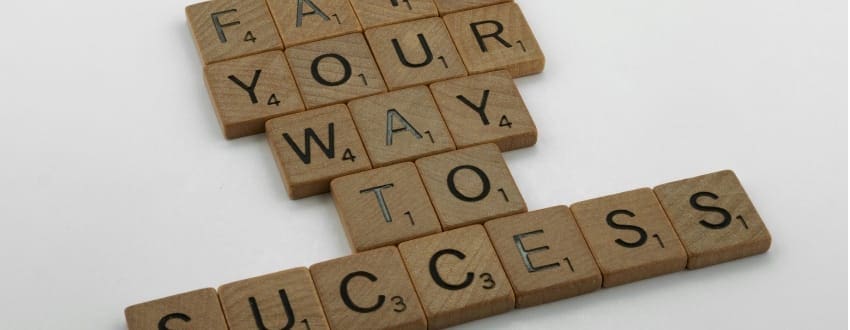
Leaders ADAPT on failure lessons for transformational leaders: Success teaches you nothing; failure is where transformational leaders actually grow. This piece reframes failure as data rather than identity, shows how the best leaders mine setbacks for what they reveal, and how to stay steady through a low point so a hard chapter becomes fuel instead of a definition of you.
By Andreas Pettersson, founder of Leaders ADAPT and a former Canon executive who has built and scaled multiple companies.
As a CEO, I’ve experienced the highs of success and the lows of failure. What I’ve discovered is this: success, while rewarding, teaches us very little. True growth, resilience, and wisdom come from navigating setbacks and learning from mistakes. For anyone aspiring to be a transformational leader, rethinking your relationship with failure is vital.
Many people call “setbacks” and “mistakes” failure, but I like to call them growth opportunities. If you want to become the best version of yourself and achieve extraordinary things as a leader, you must also make this conscious shift in perspective.
If you aren’t sure where to start, read on. In this post, I’ll explore why failure is your greatest teacher and how embracing it can transform your leadership journey.
The Truth About Success
Success often feels like the pinnacle of achievement, and it is! It’s vital to celebrate those wins, but remember that success isn’t what challenges us to grow.
If we only succeed, and therefore face no setbacks, there will be no way to evaluate what could have been done better, how to innovate, or how to build resilience. Thus, focusing too much on success can lull is into complacency, while every fresh failure forces us to reflect, adapt, and improve.
Why Failure Is Your Best Teacher
1. Failure Reveals Hidden Strengths
When everything goes smoothly, we rarely discover how strong and resourceful we truly are. Failure, however, tests our limits and uncovers capabilities we didn’t know we had.
2. Failure Encourages Growth
Setbacks force us to analyze our decisions, refine our strategies, and develop new skills. Each struggle, then, is a stepping stone toward becoming a better leader and person.
3. Failure Builds Resilience
Resilience is a cornerstone of leadership, and it is forged through adversity. Facing failure head-on strengthens your ability to bounce back and keep pushing forward no matter what.
4. Failure is a Catalyst for Change
Sometimes, failure is the universe telling us it’s time to pivot. Even if we may not understand it why at first, failure will redirect us to new paths that are more aligned with our goals and values.
The Real Regret Isn’t Failing, It’s Never Trying
As we grow older, it’s not our failures that we regret, it’s the risks we didn’t take, the dreams we left unexplored, and the opportunities we let pass us by. Fear and anxiety often hold us back, whispering that failure is the enemy. But the truth is, fear shows us where we’re limiting ourselves and what we need to do to reach our next level.
How to Embrace Failure as a Leader
1. Reframe Failure as a Learning Opportunity
Instead of seeing failure as a setback, view it as an experiment that provides valuable data. Ask yourself, “What can I learn from this?” and “What will I do differently next time?”
2. Take Action Despite Fear
Fear is natural. However, it shouldn’t dictate your decisions because staying in your comfort zone won’t ever lead to growth or fulfillment. So…push through it. Set bold goals. Take risks. Trust that even failure will move you closer to your goals.
3. Learn to Reflect, Not Dwell
When failure happens, reflect on it objectively. Avoid ruminating on what went wrong. Instead, focus on what you can do to improve and then start taking action.
Failure is Necessary, So Take the Leap Today
The real tragedy isn’t failing, it’s never trying at all. So start today. Embrace challenges. Push past fear. Turn failure into your most powerful tool for success.
Remember:
- Success without failure teaches nothing.
- Fear and failure are not enemies; they’re partners in your journey.
- Each step forward, even if imperfect, brings you closer to your goals.
The truth is, every successful leader has a story of failure. It’s simply part of the journey. When you embrace failure, you unlock your potential to grow, lead with confidence, and inspire your team to do the same, hallmarks of a transformational leader.
Ready to transform setbacks into stepping stones? Book a Free Consultation to explore how you can cultivate resilience, drive innovation, and truly embody the qualities of a transformational leader.
Reframe failure as data, not identity
Failure only teaches when you treat it as information about a decision, not a verdict on you. The leaders who grow fastest separate the outcome from their self-worth, ask what the setback is telling them, and adjust. Success, by contrast, often teaches almost nothing because nothing forced a rethink.
How transformational leaders use setbacks
They run an honest post-mortem, name what they would do differently, and share the lesson openly so the team learns too. That turns failure into collective progress, the core of being a transformational leader and of the transformational leadership style.
Staying steady through the low
Learning from failure requires not being flattened by it. Building recovery and perspective into how you operate is the resilient CEO mindset that lets you extract the lesson instead of just the pain.
Frequently asked questions
Why does failure teach more than success?
Because failure forces a rethink, while success rarely does. Setbacks reveal what actually was not working and push you to adjust.
How should leaders handle failure?
Treat it as data, run an honest post-mortem, name what to change, and share the lesson with the team. Separate the outcome from your self-worth.
What is embracing failure in leadership?
Reframing setbacks as growth opportunities and learning from them deliberately, rather than hiding them or letting them define you.
To go deeper, read situational-leadership-styles-for-ceos, and what-is-leadership-ceo-definition-that-scales.
What does it mean to treat failure as data, not identity?
The post’s core reframe is that a failure is information about what did not work, not a verdict on who you are. When you separate the outcome from your worth, you can study it, learn, and adjust without shame stopping you. Failure as data keeps you moving; failure as identity keeps you stuck.
How do transformational leaders use setbacks?
The post says they mine setbacks for what they reveal, then feed that back into better decisions and stronger teams. Rather than hiding a failure, they name it, extract the lesson, and model that resilience for others. Setbacks become raw material for growth, which is part of what makes their leadership transformational.
How do you stay steady through a low point as a leader?
The post recommends anchoring to values and perspective rather than the emotion of the moment: remember this is one chapter, protect your basics, and keep taking small deliberate actions. Steadiness is not the absence of the low; it is refusing to let it define your decisions. That composure is what your team follows.