
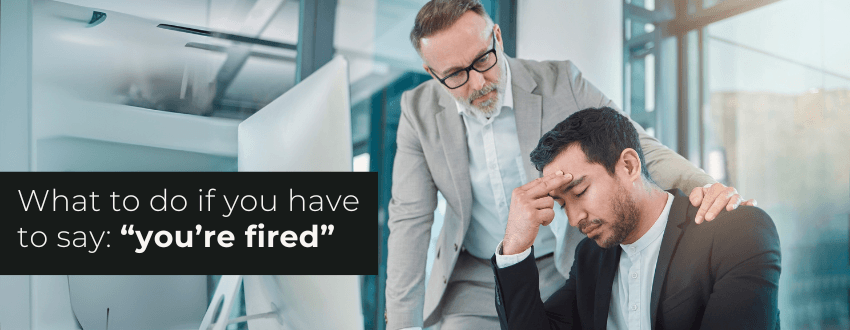
Leaders ADAPT on Handling Employee Firing with Professionalism: Firing is one of leadership’s hardest duties, and avoiding it usually costs the team more than the person. This piece covers legitimate grounds for letting someone go, when loyalty becomes a liability, and how to fire humanely, with a simple framework that turns an emotional moment into a clear, fair decision.
By Andreas Pettersson, founder of Leaders ADAPT and a former Canon executive who has built and scaled multiple companies.
Beyond Loyalty: Why Strategic Staff Changes Are Vital for Company Health
Firing can be a daunting topic for CEOs, but just like other challenging aspects of the workplace, it’s crucial to reframe the necessity of firing. Holding onto team members out of loyalty or because “they’ve been here and know how things work” can ultimately harm your business. Instead, consistently evaluating your employees and asking yourself, “Who has what it takes for the next level?” underscores the necessity of firing to ensure your company thrives.
Grounds for Firing an Employee
Understanding the necessity of firing involves knowing when it’s appropriate to let someone go. While it’s important not to fire indiscriminately, certain behaviors and performance issues warrant termination to maintain a productive and positive work environment.
If an employee consistently underperforms, disrupts team dynamics, misses work, or fails to align with the company’s values, retaining them can be detrimental to both the company and the individual. Letting them go allows them to find a role better suited to their strengths and aspirations while giving your company the opportunity to bring in someone who can contribute more effectively to the team.
In all cases, it’s critical for the CEO to document all concerns and issues with an employee thoroughly and follow company policies to avoid potential legal complications. Some situations may also require a warning or improvement plan before moving to termination.
How to Fire an Employee
Firing an employee is a delicate process that should be handled with professionalism, compassion, and respect. When in the termination meeting,
- Start with directness and kindness. Inform the employee of your decision using clear and respectful language. Then
- Briefly explain why the decision was made, citing specific performance or conduct issues.
- If applicable, provide them with information about severance, remaining benefits, and any outplacement services the company may offer.
- If they have any questions or concerns, be present, listen, and answer.
- Once the termination is complete, inform the rest of the team in a respectful and confidential way, and emphasize the concept of moving forward.
- Last but not least, don’t regret or look back on your decision.
While it’s natural to feel empathy, a CEO’s responsibility is to uphold the organization’s health, culture, and mission, and sometimes that means making tough decisions for the greater good. Firing employees, though difficult, is necessary to maintain a healthy and productive work environment. Thus, a CEO should not feel bad about firing people if the decision is made thoughtfully and fairly, with the best interests of both the company and the individual in mind.
Conclusion
The necessity of firing goes beyond simply removing underperforming employees, it’s about maintaining a healthy, productive, and aligned workforce. By approaching termination with professionalism, compassion, and respect, you uphold your company’s standards and ensure that both the organization and the individual can move forward positively. Understanding the necessity of firing is essential for effective leadership and long-term business success.
Ready to master the necessity of firing and handle employee terminations with confidence and compassion? Book a Free Consultation to explore how leadership coaching can guide you through making informed, respectful decisions that uphold your company’s integrity and drive success.
How to fire someone properly and humanely
Doing it right protects the person dignity and the team trust. That means no surprises (the feedback should have come long before), a clear and honest reason, a private and respectful conversation, and a clean handoff. Drawn-out, vague, or cowardly exits damage the people who stay as much as the person who leaves.
When loyalty becomes a liability
Keeping someone because they have been around or know how things work is one of the most common and expensive leadership traps. The right question is not who has earned their place, it is who can do what the company needs next. Loyalty is repaid through fairness and honesty, not by keeping someone in a seat they have outgrown.
A framework for letting a leader go
Senior exits are harder and higher-stakes. The structured way to handle them, deciding clearly, communicating cleanly, and protecting the team, is laid out in the ADAPT framework for letting a leader go, and the culture that makes these moments rarer is built on accountability without blame.
Frequently asked questions
When should you fire an employee?
When performance or behavior consistently harms the team or the work and clear feedback has not changed it. Fire deliberately, never indiscriminately.
How do you fire someone the right way?
No surprises, an honest and specific reason, a private respectful conversation, and a clean handoff. The feedback should have come long before the decision.
Is it bad to keep an employee out of loyalty?
It often is. Keeping someone in a role they have outgrown holds back the company and the team. Repay loyalty with fairness and honesty instead.
To go deeper, read delegation-training.
When does loyalty to an employee become a liability?
The post says loyalty tips into liability when you keep someone whose performance or fit is hurting the team, and everyone can see it. Protecting one person at the cost of the group erodes trust and standards. Real loyalty, it argues, is to the mission and the people who depend on it, which sometimes means letting someone go.
How do you fire someone humanely?
The post’s approach is clear, direct, and dignified: give honest reasons, avoid ambush, handle it privately, and protect the person’s exit. You do not soften the decision into confusion, but you deliver it with respect. Done humanely, a firing preserves the departing person’s dignity and the trust of those who remain.
What is a simple framework for the firing decision?
The post offers a test: is the problem about capability, fit, or behavior, and has it been named and given a fair chance to change? If it persists and is damaging the team, the decision is made. A framework removes emotion from the moment so you act on evidence rather than avoidance or guilt.
A simple framework for the firing decision
Before you let anyone go, run the decision through three questions. First, is this a skill gap or a will gap? Skill gaps can sometimes be coached; will and values gaps rarely close. Second, has the person had clear, direct feedback and a real chance to change, with the standard spelled out in writing? If not, the failure is partly the manager. Third, would you enthusiastically rehire them today knowing what you know? If the honest answer is no, you already have your decision. Holding on past that point is not kindness, it is avoidance that quietly taxes the whole team.
How to run the conversation
Keep it short, private, and human. State the decision plainly in the first minute rather than burying it after small talk. Give the real reason without relitigating every incident, be clear about what happens next with pay and logistics, and let the person keep their dignity. A rambling or apologetic exit makes it worse for everyone. Plan the transition of their work before the meeting so the team is not left scrambling.
After the exit: protecting the team
People watch how you treat the person who leaves and quietly ask what would happen to them. Be honest with the remaining team about the change without trashing the person, reassure them about workload and plans, and move quickly to fill the gap. Handled with clarity and respect, a difficult exit actually strengthens trust because it signals that standards are real and that people are treated fairly. The culture that makes these moments rarer is built on accountability without blame, and the senior version of this decision is mapped in the ADAPT framework for letting a leader go.
See also leadership-burnout and what-is-leadership-ceo-definition-that-scales.